
Rain Tomorrow: Should You Wash Your Car Today?
The forecast says rain tomorrow, and suddenly a simple car wash feels like a bad bet. You look at the pollen on the hood, the film on the windshield, maybe a little road grime around the doors, and wonder whether today’s wash will just get “canceled out” by tomorrow’s weather.
That is the wrong frame for the decision.
The real question is not whether rain is bad for a clean car. It is whether washing today solves a problem you actually have before the rain gets here. For a local commuter or daily driver, that usually comes down to three things: what is already on the car, whether visibility matters more than appearance right now, and when you realistically need the car to look or feel clean again.
If you are trying to decide whether to wash car before rain, this guide will help you make the call quickly without overthinking it.
Why This Question Comes Up Every Time Rain Is in the Forecast
This question comes up because people are trying to avoid two different kinds of frustration at once.
The first is obvious: nobody wants to pay for a wash and then feel like the weather erased it overnight. The second is less obvious but more practical: nobody wants to wait too long and keep driving a car covered in pollen, dust, or smeary film just because the forecast is inconvenient.
That is why this becomes such a common commuter problem. You are not standing in your driveway planning the perfect wash day three days in advance. You are checking tomorrow’s weather, glancing at your car, and deciding whether today is still worth it.
Sometimes the car is just a little dusty, and waiting makes sense. Other times the windshield has that hazy layer that catches afternoon glare, or the hood is coated in yellow pollen, or the sides have enough road film that you already know rain will turn it into streaky mess instead of a rinse.
So the goal is not to beat the weather. The goal is to be honest about what you are trying to fix before the weather changes.
The Biggest Myth: Rain Does Not Automatically Undo a Car Wash
The biggest myth in this whole conversation is simple: rain does not automatically make a fresh wash pointless.
That belief sticks around because people picture a freshly cleaned car getting wet and assume the wash was wasted. But rain is only one part of the equation. What matters just as much is what was already sitting on the car before the rain started.
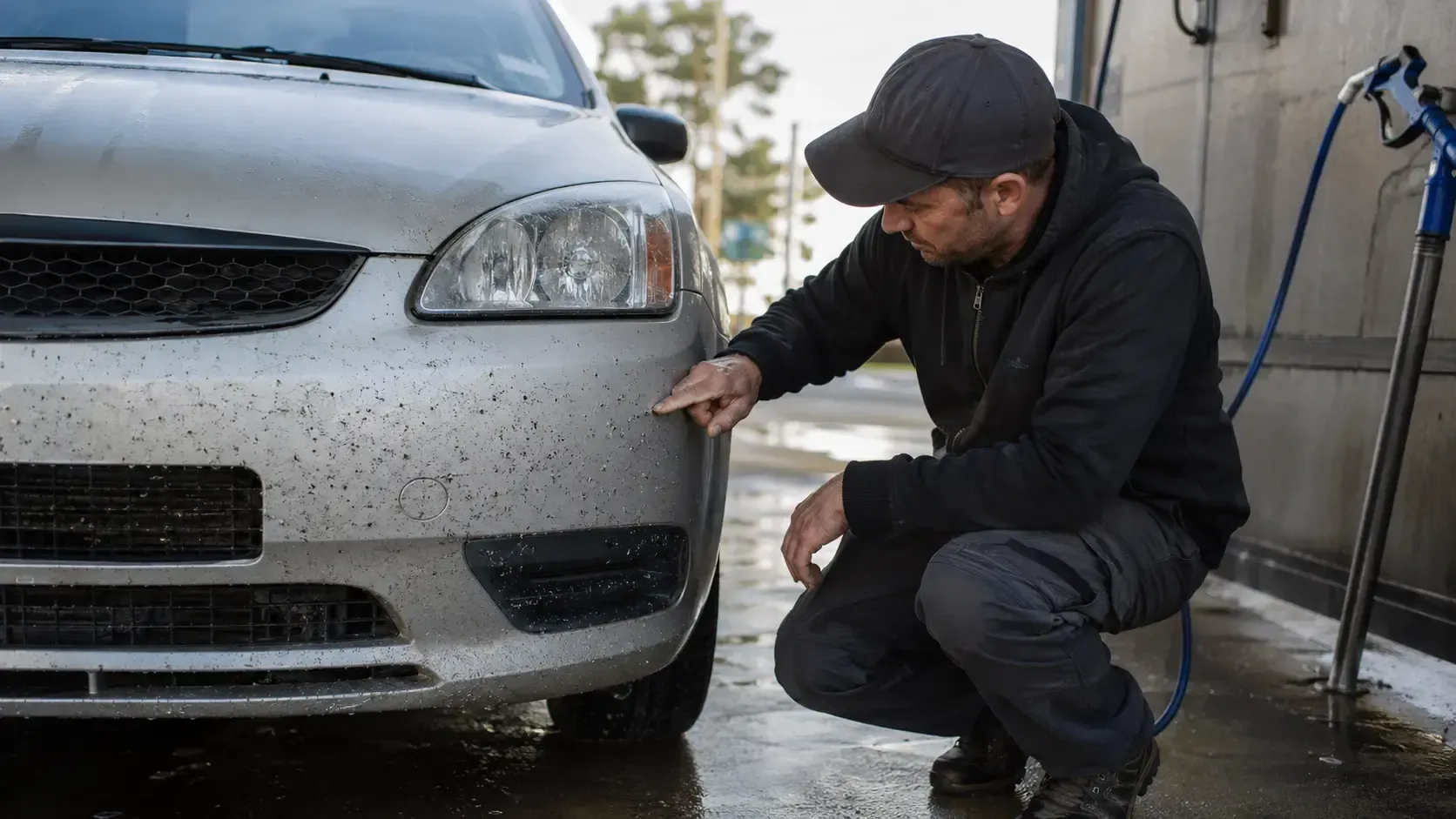
If the car is already dirty, rain may not “clean” it in any meaningful way. In practice, rain hitting existing dust, pollen, and road film can leave the vehicle looking worse than it did before. That is especially true when grime gets moved around rather than removed.
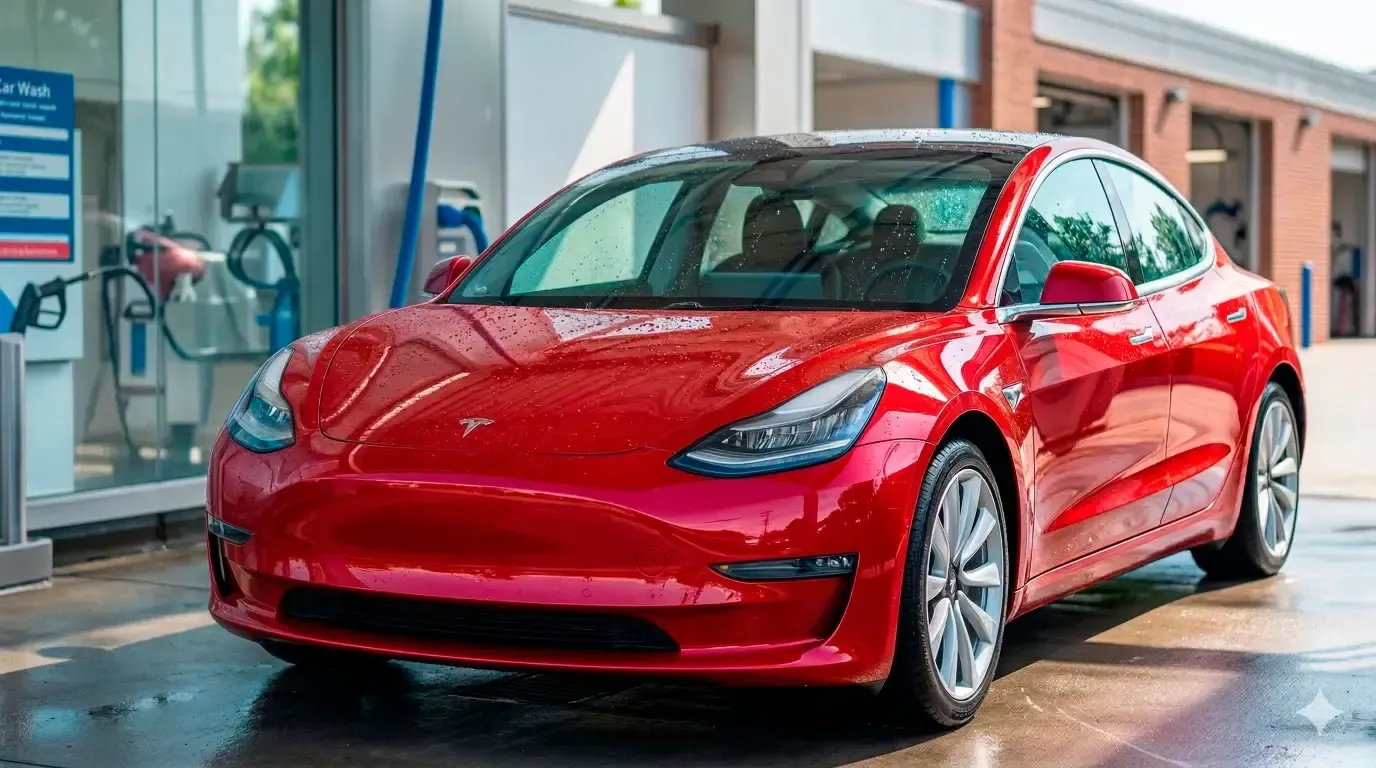
A freshly washed car getting rained on is not the same as a dirty car getting rained on.
That distinction matters. If you remove the pollen, dust, and sticky residue first, the rain is not interacting with the same level of buildup. The car may still get wet. It may still pick up some road splash afterward. But that is different from letting rain mix with everything already coating the surface.
This is the contrarian part most drivers eventually notice for themselves: a dirty car plus rain often looks worse than a clean car plus rain.
So no, rain does not always undo a car wash. It may change how long the “just washed” look lasts. It may mean you do not get the perfect sunny-day payoff. But that is not the same thing as saying washing beforehand was useless.
What Actually Matters More Than the Rain Itself
If you want to make a good timing decision, look past the forecast for a minute. The more useful question is what the car needs right now.
What is on the car right now
Start with what is actually sitting on the surface.
If your car is coated in pollen, that is different from being lightly dusty. If it has road film from commuting, that is different from a little neighborhood dirt. If there is bird droppings, tree residue, or sticky buildup, that changes the urgency too.
Not all “dirty” is equal.
Pollen is a good example. When it settles heavily on the paint and glass, it can make the car look neglected fast. More importantly, it can leave the windshield looking hazy or streaky once moisture gets involved. Dust and road film can do something similar, especially on cars that spend long hours parked outside or commuting on busy roads.
If the car only has a very light layer of dust, waiting may be no big deal. If it is wearing a visible coating of grime, the rain forecast matters less than the fact that the vehicle already needs attention.
Which part of the car matters most
Next, decide what part of the car you care about right now.
If your main concern is the paint looking sharp for a few dry days, you may be more willing to wait. If your main concern is seeing clearly through the windshield on the next morning commute, that pushes the decision in a different direction.
This is where many drivers get stuck. They treat “the car” as one issue, when really there are two separate questions:
- Does the exterior look dirty?
- Does the glass drive poorly?
Those are not the same problem.
A commuter who is mostly worried about appearance may be better off waiting until the weather settles. A commuter dealing with pollen film or smeary glass may benefit from washing sooner, even if rain is coming, because the benefit is immediate driving usefulness, not just cosmetics.
When you realistically plan to drive next
Now bring the timing back in.
Are you driving again later today? Heading out early tomorrow morning after overnight rain? Parking the car for a few days? Your answer changes the value of washing now.
If you know you will be driving through the weather shift, especially in the morning, the condition of the glass matters more. If the car will sit through the rain and you mainly want it looking nice afterward, waiting may be smarter.
That is why a 24-hour forecast does not produce one universal answer. The same rain forecast means different things to a commuter leaving at 7 a.m. than it does to someone working from home for two days.
When Washing Before Rain Still Makes Sense
There are several situations where washing before rain is still the practical choice.
The first is when the windshield is already hazy or coated in pollen. If the glass is not clear now, adding moisture later may not improve the situation. Many drivers find that pollen and film on the glass become more annoying when weather changes, not less. If clearer visibility is the real goal, washing now can make sense.
The second is when the car is carrying enough visible grime that rain is likely to smear it around rather than help. Think of the daily driver with a layer of yellow pollen across the hood, road film along the doors, and dusty residue around the rear hatch. That car is not one clean shower away from looking better. It is one rain event away from looking streakier.
The third is when you want a reset before a messy stretch of weather. Maybe the forecast is not just one neat, overnight rain. Maybe it is a mix of drizzle, damp roads, and intermittent showers. In that case, starting from clean can still feel better than letting the car enter that stretch already coated in buildup.
The fourth is convenience. This matters more than people admit. Sometimes today is the moment you can fit it in. Tomorrow is full. The next dry window is uncertain. If your car needs a wash and you have the time now, a quick stop may be the right call simply because real life is not built around ideal weather timing.
This is especially true for frequent washers. For drivers who clean their cars regularly, the question is often less dramatic. They are not trying to maximize one perfect wash day. They are trying to keep the car in decent shape with less buildup and less debate each time the forecast changes.
When It’s Smarter to Wait Until After the Rain
There are also times when waiting is the more reasonable move.
If the car is only lightly dusty and visibility is fine, washing today may not buy you much. In that case, the value of the wash is mostly appearance. If rain is coming soon and you know road splash will likely make the car look less clean right away, there is a fair argument for holding off.
Waiting also makes sense when the forecast suggests a longer wet stretch rather than one short shower. If you are not dealing with pollen buildup on the glass or obvious grime, and several damp days are ahead, you may prefer to wash after the roads dry out a bit.
Another clear case for waiting is when appearance is your only priority. If you want the car to look great for an event, photos, or just personal satisfaction, washing right before a rainy period may not deliver the result you want for very long. That does not make it pointless. It just means the timing may be less rewarding.
Road conditions matter too. Even if rain itself is not the whole problem, wet roads can throw fresh grime back onto the lower panels quickly. If you already know the commute will involve splash, runoff, or muddy edges, waiting until after the roads calm down can be the better move.
This is why the best time to wash car with rain forecast is not one fixed rule. It depends on whether you are solving for looks, usability, or convenience.
The Pollen Timing Problem Most Drivers Care About
Pollen changes this whole question.
Without pollen, a rain forecast is mostly about timing and expectations. With pollen, it becomes more immediate because the stuff does not just make the car look dusty. It can settle heavily on the glass, cling to the paint, and create that familiar yellow-green film that makes a dark vehicle look neglected almost overnight.
That is why “just wait until after the rain” is not always satisfying advice during pollen-heavy stretches.
If the car is already coated, waiting may mean driving around with reduced visual comfort and a car that feels dirtier than it needs to. And after the rain, you may still be dealing with residue rather than a magically cleaner surface.
This is the local twist many daily drivers recognize. In a place where pollen can build fast and forecasts can shift within a day, the decision window is short. You are often not choosing between perfect conditions and bad conditions. You are choosing between “clean enough now” and “probably still needs attention later.”
That is especially true for commuters who park outside during the workday or overnight. Even when the rain itself is not severe, the combination of existing pollen plus moisture can make the car feel grimier than the forecast suggested.
So when you ask whether to wash car after rain pollen or before it, the answer often comes back to this: if pollen is already a problem on the glass or heavily visible on the body, washing before the rain can still be a smart reset.
The Most Common Mistakes People Make With Rain Timing
The first mistake is using one rule for every forecast.
“Never wash before rain” sounds clean and simple, but it ignores what is actually on the car. A lightly dusty sedan and a pollen-covered commuter SUV are not the same situation. One blanket rule does not help both drivers equally.
The second mistake is thinking only about paint and ignoring glass. A lot of drivers make timing decisions based on how the hood or doors look, when the more important issue may be the windshield. If the glass is hazy, streak-prone, or coated in residue, that should carry more weight than whether the side panels stay spotless for 48 hours.
The third mistake is waiting too long because the forecast becomes an excuse. Sometimes the car already needs a wash, but the driver keeps postponing because there is always another chance of rain. That turns a one-day timing question into a multi-day buildup problem.
The fourth mistake is treating a 24-hour forecast like a full-week delay. “Rain tomorrow” sounds like a reason to stop all wash plans, but one forecasted shower is not the same as an extended stretch of dirty road conditions. Many people overreact to the word rain without thinking through what the next actual driving window looks like.
The fifth mistake is chasing perfect timing instead of useful timing. A daily driver does not always need the ideal wash day. Sometimes the right question is simply: will this make tomorrow’s drive easier and the car cleaner than it is now?
A Fast Decision Guide for the Next 24 Hours
If you only want a fast answer, use this.
Wash today
Wash today if visibility is already compromised.
That includes a windshield with pollen film, dusty haze, or the kind of residue that makes glare worse and wipers less satisfying than they should be. Wash today also makes sense if the car is heavily coated in pollen or grime and you know rain is more likely to smear that mess around than improve it.
Wash today if you are commuting tomorrow morning and want a cleaner reset before the weather shift. Wash today if this is the one convenient slot you realistically have.
Wait until after
Wait until after the rain if the dirt level is low and appearance is the only concern.
If the car is just a little dusty, the glass is clear, and you care more about getting a longer-lasting clean look than solving a driving issue, waiting can be the smarter move. This is especially true if the forecast points to multiple wet periods or if you expect road splash to undo the visual payoff quickly.
Split the difference
Sometimes the best answer is neither a hard yes nor a hard no.
If the windshield is the main problem but the car does not need a full appearance-focused wash, a quick wash now and a fuller cleanup later can make sense. The same goes for drivers who want a basic reset before rain, knowing they may come back after the weather passes for a more satisfying finish.
This middle path is practical, not indecisive. It recognizes that timing decisions do not have to be all or nothing.
If rain is coming and your car is already coated in pollen or road film, you do not have to overthink it. A quick wash can still be the right move when the goal is clearer glass and a cleaner reset. And if weather keeps forcing this same decision, it may be worth looking at a wash routine that makes timing less of a debate.
What to Check So You Can Feel Good About the Timing
Before you decide, look at the windshield first.
Not the hood. Not the roof. The glass.
If the windshield looks hazy, yellowed with pollen, or likely to streak the second moisture hits it, that is a strong sign the car may benefit from a wash sooner rather than later. Visibility is usually a better decision trigger than vanity.
Next, check for the kind of residue that rain tends to move around instead of solve. Pollen film, stuck-on splatter, dust mixed with road grime, and anything tacky or smeary all point toward washing now being more reasonable.
Then ask what you actually want from the wash. Do you want the car to look great for the next few dry days? Or do you want it cleaner and easier to drive through tomorrow’s forecast? Those are different goals, and they deserve different timing decisions.
Finally, use the forecast as context, not as the only factor. Rain matters. But it is not the whole story. The condition of the car, the timing of your commute, and the purpose of the wash matter just as much.
If you are the kind of driver who ends up having this debate every time the weather changes, it may help to make the choice easier on yourself. A quick stop when the car actually needs it can be more useful than waiting for a perfect weather window that never really arrives. And for frequent washers, options like unlimited wash plans may make the timing feel less high-stakes because you are not treating every visit like a one-shot decision.
FAQ
Should I wash my car before it rains?
Sometimes, yes. If your windshield is coated in pollen or film, or the car already has enough grime that rain is likely to smear it around, washing before rain can still make sense. If the car is only lightly dusty and you mainly care about appearance, waiting may be better.
Does rain undo a car wash?
Not automatically. Rain may shorten how long the car looks freshly washed, but it does not erase the benefit of removing pollen, dust, and buildup first. A clean car getting wet is different from a dirty car getting wet.
Is it better to wash a car before or after rain?
It depends on what you are trying to solve. Washing before rain often makes sense when visibility or heavy buildup is the issue. Washing after rain may make more sense when the car is only lightly dirty and you want a cleaner look to last longer.
Should I wash pollen off my car before a rain forecast?
If pollen is already heavy on the paint or glass, washing it off before rain can be worthwhile. Many drivers find that pollen mixed with moisture creates a messier result than pollen removed ahead of time.
Does washing before rain help with windshield visibility?
It can. If the glass has pollen, film, or grime on it already, cleaning the car before rain may help the windshield feel clearer and less streaky during the next drive.
What is the best Atlanta rain car wash timing for commuters?
For commuters, the best timing is usually based on the next drive, not the forecast alone. If you are driving soon and the glass or body is heavily coated in pollen or grime, washing before the rain may still be the smart move. If the car is only lightly dusty and you are mostly thinking about looks, waiting until after the weather passes may be more satisfying.
If rain is coming and your car is already coated in pollen or road film, you do not have to overthink it. A quick wash can still be the right move when the goal is clearer glass and a cleaner reset. And if weather keeps forcing this same decision, it may be worth looking at a wash routine that makes timing less of a debate.