
How to Decide If You Need a Monthly Car Wash Plan or Just Occasional Washes
If you live in an apartment, do not have driveway wash access, and only drive a modest amount each week, a monthly car wash plan can feel strangely hard to judge. On one hand, it sounds convenient. On the other, you may wonder whether you would actually use it enough to make sense.
That uncertainty is normal. Most low-mileage drivers compare the two options too quickly. They look at the monthly fee, compare it to a single wash price, and assume the decision should be obvious. But that is usually too simple. A car does not only get dirty from driving. It also gets dirty from sitting outside, collecting pollen, catching rain residue, picking up parking-lot dust, and moving through ordinary city use in small, messy increments.
That is why the better question is not just “Do I drive enough?” It is “How often do I want this car to look clean, and how easy do I want that process to be?” Once you look at the decision that way, choosing between a monthly car wash plan and occasional washes becomes much more practical.
Why This Decision Feels Harder Than It Should
At first, the choice sounds straightforward. If you drive a lot, maybe you need a plan. If you barely drive, maybe you do not. But apartment living changes the equation.
When you cannot wash at home, every wash becomes a separate trip, a separate decision, and a separate small expense. That adds friction. And friction changes behavior. A driver who might rinse the car casually at home once a week often does nothing for much longer when every wash requires leaving the apartment, going to a car wash, and deciding whether the car is dirty enough to justify the effort.
That is part of why low-mileage drivers often feel confused here. They may not be commuting long distances, but the car still lives outside. It still gets dusty. It still collects pollen. It still looks dull after rain. It still picks up grime from short city drives, parking decks, apartment lots, and everyday use.
So “I do not drive much” is not the same thing as “my car stays clean.” That gap is what makes the decision feel harder than it should.
Start With the Two Real Options
Before deciding what fits, it helps to define the two options clearly.
The first option is an unlimited monthly plan. That usually means one recurring monthly fee in exchange for repeated access, with the main appeal being convenience. You are not deciding from scratch every time. You already have the plan, so it becomes easier to stop in when the car starts looking dusty, streaky, or overdue. In practice, what you are really buying is lower friction and more consistent upkeep.
The second option is occasional single washes. That means paying only when the car clearly needs attention or when conditions make a wash feel worthwhile. This option gives you more control month to month and may suit drivers who genuinely use the car infrequently, keep it relatively protected, or do not mind waiting until the dirt is more obvious before taking action.
Neither option is inherently better. They are buying different things.
An unlimited plan is not just buying more washes. It is buying the habit of easier repeat visits. Occasional washes are not just buying less. They are buying flexibility and lower commitment when your actual usage pattern does not call for more.
That is why the real choice is not “Which one is cheaper in theory?” It is “Which one fits the way I already live?”
The First Question to Ask: How Does Your Car Actually Get Dirty?
Most people answer the membership question by looking only at mileage. That is understandable, but it misses an important part of the picture.
Driving exposure vs. parked exposure
Cars get dirty in two basic ways: from driving and from sitting.
Driving exposure is the obvious one. Road spray, traffic dust, puddles, everyday grime, construction residue, and whatever else you pick up during normal trips. If you drive often, this adds up quickly.
But parked exposure matters too. A car sitting outside can still look bad even with low mileage. It can collect dust, pollen, rain marks, tree residue, bird droppings, and that general dull film that makes the finish look neglected even when the car has barely gone anywhere.
This is where many low-mileage drivers get tripped up. They assume their usage is light, so their washing needs must also be light. But the car may still be getting dirty in a very visible way, just not from the odometer.
Apartment life, outdoor parking, pollen, and seasonal mess
Apartment living often increases parked exposure. The car may sit outdoors all week. It may park under trees, near landscaping, on open pavement, or in lots where dust and weather show up fast. You may drive only short city trips, but the car still spends most of its life exposed.
That matters even more in messy seasons. Pollen can make a parked car look neglected fast. Rain can leave residue. Windy or dusty stretches can leave a visible film even if you hardly drove. A low-mileage vehicle can still feel like it needs regular attention simply because of where and how it sits.
That is why the first real question is not about miles. It is about exposure. If your car gets dirty in small ways all month, a monthly plan may feel different than it would for someone whose vehicle stays relatively protected and only comes out occasionally.
When a Monthly Plan Usually Makes More Sense
A monthly plan is not only for heavy commuters. It can also make sense for drivers who value consistency and want the car to stay reasonably clean without re-deciding the issue every time.
Frequent visual upkeep matters to you
Some people do not need their car spotless, but they do care when it starts looking dusty, streaked, or neglected. If you like the car to look reasonably clean most of the time, that preference matters.
This is where low-mileage alone can be misleading. A driver may not log many miles, but if they dislike seeing pollen buildup, rain spotting, or a generally dull finish, they may want more frequent upkeep than their mileage suggests. In that case, an unlimited plan may align well with how they actually feel about the car’s appearance.
That does not make them obsessive. It just means visual upkeep matters to them more than waiting until the car becomes obviously overdue.
You value convenience and low-friction repeat visits
For some drivers, the biggest benefit of a monthly plan is not the number of washes. It is how easy the washes become.
Once the decision is already made, it becomes easier to stop in when the car needs attention. You are not debating whether this is the week to spend on a wash. You are not mentally calculating whether the dust is “bad enough.” You are not delaying because you will “probably do it next weekend.”
That kind of low-friction repeat access can matter a lot for apartment residents. Since home washing is not convenient, a monthly plan can replace that lost convenience with a simpler external routine. You can go when the car needs it rather than when the expense feels justifiable enough.
Your car gets dirty in small ways all month
This is often the strongest argument for a plan. Not dramatic mess. Not extreme mileage. Just constant small dirt.
If your car regularly looks a little dusty, a little streaky, a little pollen-covered, or a little overdue, a monthly plan may work well because the problem is ongoing rather than occasional. You may not need rescue washes. You may just need easier upkeep.
That is especially true if the car lives outside and you prefer not to let things build up. In that situation, the unlimited plan vs pay per wash car wash decision often comes down less to mileage and more to whether you want to stay ahead of the mess or respond only after it becomes noticeable.
When Occasional Washes May Be the Smarter Choice
A monthly plan is valid, but it is not always the smartest fit. Occasional washes deserve real credibility too.
Your use is genuinely infrequent and predictable
If your car spends most of its time parked in relatively calm conditions, comes out only for a few short trips, and does not get visibly messy often, occasional washes may make more sense. This is especially true if the car’s appearance stays acceptable for long stretches without much effort.
Some low-mileage drivers truly do have predictable, light usage. Maybe they work from home, use the car mostly on weekends, and park in a more protected area. In that case, paying only when the vehicle clearly needs attention can be a better match.
You are comfortable waiting until the car clearly needs attention
This is an important preference question. Some people do not care if the car gets a little dusty. They are fine waiting until it looks obviously dirty, streaky, or pollen-heavy before doing anything about it.
If that sounds like you, occasional washes may fit better. A monthly plan creates more value for people who like the car to stay consistently cleaner. If your standard is more relaxed, a single wash when the need is obvious may be enough.
This does not mean you care less about the car. It just means your threshold for action is different.
You do not mind a bit more friction each time
Occasional washes come with more decision-making. Each visit requires asking: Is now the right time? Is it dirty enough? Do I want to spend on this today? If that does not bother you, then paying as you go can be a perfectly rational choice.
For some people, that friction is minor. For others, it is exactly what causes long gaps between washes. The key is being honest about which type you are.
If you do not mind a little extra friction, and your car’s real needs are moderate, occasional washes may be the smarter choice.
The Mistake People Make When Comparing the Two
The most common mistake is treating the entire decision like a simple price-per-wash problem.
That math is not useless, but it is incomplete. A monthly plan is not valuable only when you cross some perfect break-even point. For some drivers, the value of a plan includes how easy it makes repeat visits. That convenience changes behavior, and behavior changes how clean the car stays.
The reverse is also true. A membership is not automatically worth it just because it sounds like a better deal if used often. If your routine does not naturally lead to regular visits, then the plan may feel like a nice idea rather than a useful tool.
This is the contrarian point many people miss: the decision is often less about arithmetic and more about habit. A person who likes an easy, repeatable routine may get more practical value from a plan than someone who technically drives more but never wants to stop in. Meanwhile, a low-mileage driver with a relaxed cleanliness standard may be better served by occasional washes, even if the membership pricing sounds attractive on paper.
So yes, price matters. But convenience, seasonal fluctuation, and personal habits matter too. Ignoring those makes the choice seem more confusing than it really is.
A Smarter Way to Think About Seasons, Not Just Months
One reason this decision can feel off is that people compare the options as though every month looks the same.
It usually does not.
Some periods of the year make a car look dirty much faster. Pollen season is an obvious example. Rainy stretches can also make the car look messier more often, especially if you park outside. Dustier periods, winter grime, or heavy tree debris can change how often you want the car cleaned even if your driving routine stays basically the same.
That means the right answer may not feel equally right all year.
A seasonal car wash membership strategy can make more sense than an all-or-nothing mindset. Some drivers may find that occasional washes are fine during calmer months, while a monthly plan feels much more useful during periods when the car gets dirty faster. Others may prefer the stability of a plan year-round because it removes the need to re-evaluate every time the seasons change.
The point is not to overcomplicate it. It is to recognize that wash frequency is often seasonal, not fixed forever. If you are trying to decide whether a membership is worth it, it helps to think in terms of your real yearly rhythm rather than a generic average month.
A Simple Frequency Check for Low-Mileage Drivers
You do not need a complicated calculator to make this decision. You just need a few honest questions.
How often does your car look dirty enough that you wish it were cleaner?
How often do you actually act on that feeling?
Do you like keeping the car reasonably clean at all times, or are you comfortable waiting?
Does outdoor parking make the car look worse faster than your mileage would suggest?
Do you avoid washes sometimes because the trip and the decision feel annoying, not because the car does not need one?
If the honest answers point toward repeated annoyance, repeated small dirt, and repeated desire for easier upkeep, then a monthly plan may be worth stronger consideration. If the answers point toward infrequent need, relaxed standards, and comfort with occasional trips, then single washes may be enough.
You can also look for simple signs of good fit.
A monthly plan may be working well if:
- you would likely use it without forcing yourself,
- your car tends to get dirty in small recurring ways,
- you value being able to stop in without second-guessing the cost each time,
- and you prefer consistency over waiting until the vehicle looks clearly overdue.
Occasional washes may be enough if:
- your car stays acceptable for longer stretches,
- you do not mind some visible dust or seasonal buildup before acting,
- your routine does not naturally support frequent visits,
- and you prefer flexibility over convenience.
That is the real frequency check for low-mileage drivers. Not a rigid formula—just a more honest look at how the car and your routine actually interact.
The Easiest Next Step If You’re Still Unsure
If you still feel undecided, that is okay. This is one of those choices that becomes easier when you stop trying to prove a theory and start observing your real routine.
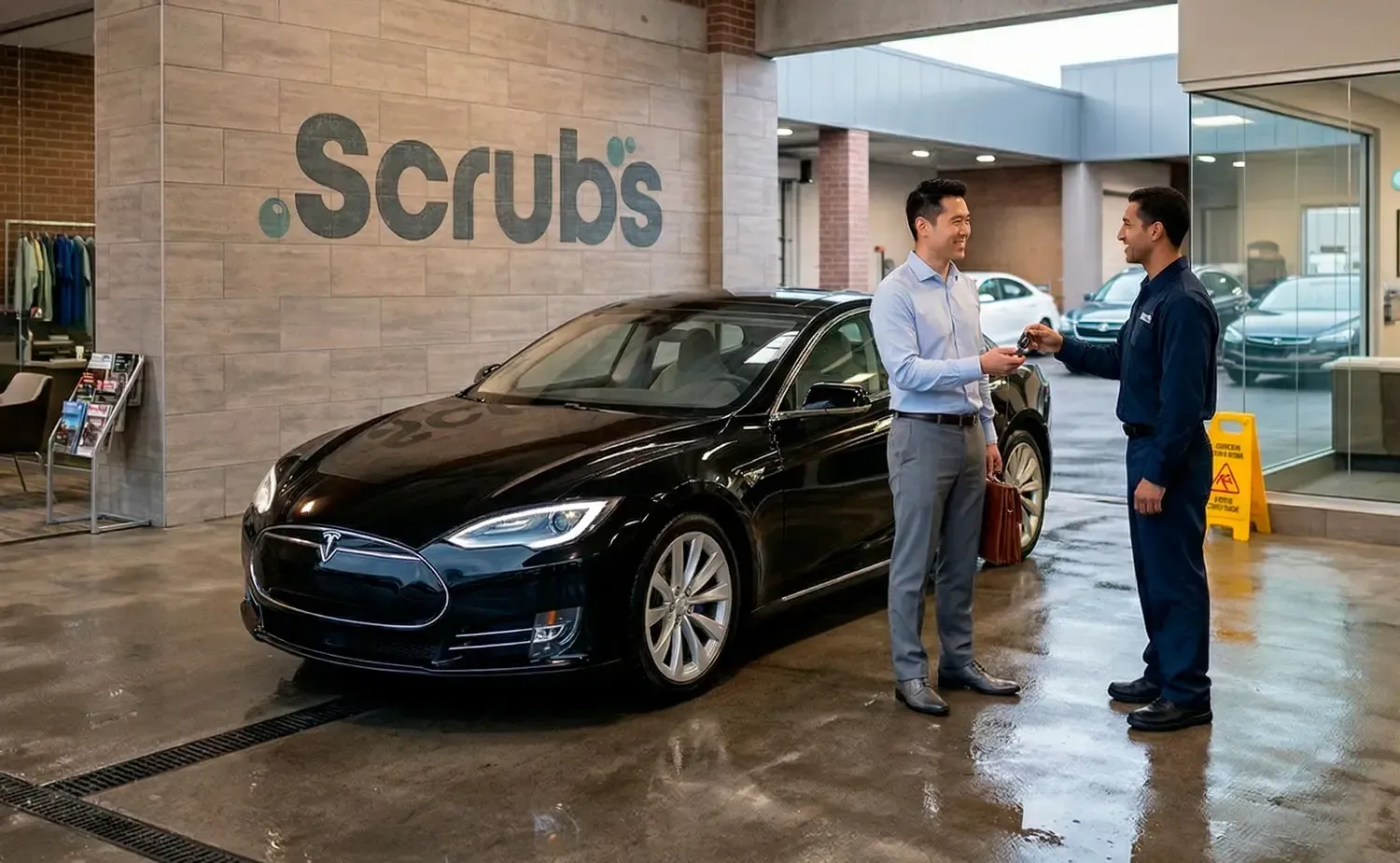
If you are a low-mileage driver trying to decide whether a monthly plan is actually worth it, the easiest next step is to look at how often your car needs attention in real life—not just how often you drive. Scrubs Express Carwash gives Atlanta drivers both options: single washes when occasional visits make more sense, and Scrub Club when convenience and repeat upkeep start to matter more. Pick the path that fits your routine now, not the one that sounds best in theory.
That is the most practical mindset. You do not need to commit to a permanent identity as a “membership person” or an “occasional wash person.” You just need the option that fits your life now.
If your current pattern says occasional washes are enough, that is a perfectly valid answer. If your car keeps looking dirty in ways that annoy you and you want easier repeat access, a monthly plan may make more sense than you first assumed.
The best car wash plan for low mileage drivers is not the one that wins in a simplified comparison. It is the one you will actually use, appreciate, and feel good about month after month.
FAQ
Is an unlimited car wash plan worth it for a low-mileage driver?
It can be, especially if the car still gets visibly dirty from outdoor parking, pollen, rain residue, or general exposure. Low mileage alone does not automatically rule out a membership.
How do I know if I should choose a monthly plan or single washes?
Look at how often the car needs attention in real life, how much convenience matters to you, and whether you prefer steady upkeep or waiting until the car clearly needs a wash.
Are monthly car wash plans good for apartment residents?
They can be a strong fit because apartment residents often do not have driveway wash access. A monthly plan may replace that lost convenience with easier repeat visits.
What if my car does not get dirty from driving but still looks dusty?
That usually means parked exposure is doing more work than driving exposure. Outdoor parking, pollen, dust, and rain residue can all make a low-mileage car look dirty.
Should I switch between a membership and single washes by season?
For some drivers, yes. Periods like pollen season or rainy stretches may make a plan feel more useful, while calmer months may make occasional washes feel sufficient.
How often do you need to wash a car for a monthly plan to feel worth it?
There is no single correct number for everyone. The plan tends to feel worth it when you naturally want repeated upkeep, value low-friction visits, and prefer not to wait until the car looks clearly overdue.
If you are a low-mileage driver trying to decide whether a monthly plan is actually worth it, the easiest next step is to look at how often your car needs attention in real life—not just how often you drive. Scrubs Express Carwash gives Atlanta drivers both options: single washes when occasional visits make more sense, and Scrub Club when convenience and repeat upkeep start to matter more. Pick the path that fits your routine now, not the one that sounds best in theory.